


Diabetes mellitus is one of the most common diseases faced by people from different parts of the world, and age does not really matter.
According to statistics, around 250 million people suffer from some form of the disease.The actual number of patients exceeds official figures, as many are unaware of existing violations.
Most children suffer from a disease, the manifestations of which cannot always be detected in time due to mild symptoms.
Due to negligence, patients do not turn to an endocrinologist who can identify the problem and make a diagnosis.
To avoid an unpleasant situation, you need to study in detail what is meant by diabetes mellitus, what are the predisposing development factors, symptoms and methods of treatment.
What is diabetes mellitus?
This pathology is characterized by insufficient levels of insulin in the body, which is a peptide hormone concentrated in the cells of the pancreas.Diabetes mellitus occurs in the form of a large number of diseases associated with damage to the endocrine system.There is an active production of glucose in the blood, which also increases in urine, and destabilization of metabolic processes also occurs.
If we consider the deviations that occur in the body, we find:
- The internal organs are nourished with glucose and if it is not supplied in sufficient quantities, starvation will occur.This occurs due to a low amount or absence of insulin, produced by pancreatic cells.When the movement of accumulated sugar in the blood stops, further metabolic development does not occur;
- the cells responsible for transporting the hormone and assimilating glucose at a given moment become immune and do not react in any way to a substance that has managed not to undergo modifications;
- sugar is not converted into nutrients, which causes starvation of the body, while a large amount of glucose enters the blood, which negatively affects cells;
- the degree of damage to the endocrine system depends on the severity of the disease and the timeliness of treatment;
- It is easier to treat the problem at an early stage, but many patients come to the clinic much later, which worsens the implementation of therapeutic measures.

Many doctors do not talk about diabetes as a disease, they agree on the cause of the problem and it lies in an incorrect lifestyle.
You will be able to protect yourself from negative consequences if you adjust your work and rest schedule, follow your doctor's recommendations, and monitor your well-being and blood sugar levels.
When no action is taken, there is a risk of damage to all organs.In advanced cases, the patient faces the threat of falling into a coma due to serious complications.It is important, even in case of minor deviations, to make an appointment with a doctor on time.
Diabetes Types 1 and 2
There is a classification of the disease which makes it possible to distinguish types, each of which presents specific characteristics.
We are talking about varieties such as:
- first type, called juvenile, detected in adolescent and older patients.It is mainly transmitted to children of close relatives.Beta cells undergo changes that negatively affect their structure.Insulin is produced in minute quantities, insufficient for the victim's normal life.About 10% of them face a problem largely of autoimmune origin.Sometimes the cause of the pathology is an attack of pancreatitis or pancreatic necrosis, while the person survives, but the pancreas ultimately loses its initial properties.The situation does not change over time, it remains until the end of life;
- second type– due to a deterioration in metabolism, the hormone ceases to be produced in the required volumes, which leads to a relative lack of insulin.Beta cells stop functioning stably;due to pathological processes, they are unable to perform the functions specified by the body - to produce the necessary substance and reduce blood sugar levels.
Gestational diabetes in women occurs in pregnant women whose blood sugar levels exceed normal levels.It is impossible to ignore the detected deviations, since inaction leads to a negative impact on the fetus.It is possible to get rid of the disease after childbirth, but disorders in the absorption of this organic compound can also be noted in women who initially do not complain of poor health.
There are other types when the situation develops negatively due to the use of medications, destabilization of the endocrine system, pancreatic dysfunction, etc.
Symptoms of type 1 and 2 diabetes
The first type has a chronic form, is transient and quickly passes from the initial stage to a more severe stage, which occurs against the background of the harmful effects of various factors.
Distinctive features include:

- sudden weight loss;
- nocturnal urinary incontinence, more common in children;
- deterioration of the visual apparatus;
- the skin and mucous membranes dry out;
- lack of moisture in the oral cavity even if water balance is maintained;
- thirst causes the consumption of water in large quantities, exceeding 10 liters;
- itching and purulent formations on the skin;
- frequency of urination, copious amounts of urine;
- uncontrolled contraction of the muscles of the lower extremities;
- vomiting and nausea - the relief that comes after emptying the stomach is temporary;
- irritability;
- loss of strength, inability to work for a long time;
- increased appetite;
- an incessant desire to eat after a short period of time.
A complication is hyperglycemia - an increase in glucose levels, which can be fatal.A deterioration of the condition, manifested by a minimal amount or absence of hair on the legs, cannot be excluded.
The appearance of benign yellowish formations is observed in the tendons, on the mucous membranes of internal organs and on the skin.Inflammation can be seen on the surface of the genitals in both men and women.Bones become fragile and are easily susceptible to negative influences from the outside.As for immunity, it practically loses its protective properties.
The symptoms of diabetes mellitus of the second type have certain similarities, however, there are manifestations that help determine which type you are dealing with.The following signs are identified:
- wounds take a long time to heal;
- infection of the epidermis;
- feeling of thirst;
- frequent urination, forcing you to go to the toilet day and night;
- exhaustion, slow reaction, sleep disturbances;
- the mucous membranes are dry;
- numbness, tingling in the limbs;
- increased appetite resulting from pathology of leptin synthesis;
- dry mouth, you should drink about 3 to 5 liters per day;
- itchy groin - confusion occurs, prompting you to contact a gynecologist or dermatologist instead of an endocrinologist;
- hunger after 1 to 2 hours of eating;
- swelling of the face and lower legs;
- infantile enuresis, manifested at night;
- high blood pressure;
- headaches and dizziness.
Symptoms occur when glucose levels exceed levels, which can be easily determined by the appearance of sugar in the urine.
Disease pathogenesis
Factors provoking the onset of diabetes mellitus have been identified.Among them are:
- heredity – the risk of the first type of disease appearing in a child increases if the parents have the same diagnosis;
- Excess weight – 80-90% of patients are overweight because the fatty tissue is unable to use insulin as intended.Newborns should weigh between 2.5 and 3.5 kg;if the indicators increase, the endocrinologist should conduct an examination;
- viruses - cause abnormalities in the pancreas, therefore, due to rubella, measles, chickenpox, from which a child has already suffered, they can lead to the death of cells in the digestive system;
- age-related changes;
- regular stressful situations;
- an unhealthy lifestyle and poor diet - a body mass index above 30 complicates the situation leading to insulin resistance, the likelihood of this happening increases by 2 times.Indicators of 35 or more indicate a 100% probability of diabetes;
- fat deposits around the abdomen;
- disruption of the pancreas for various reasons, including damage to the organ;
- pathological processes in the endocrine system due to acromegaly, Itsenko-Cushing syndrome, etc.
The main factors causing the deterioration of the state are listed: they can have a one-off impact, thus increasing the threat.Completely healthy people are at risk and it is recommended to consult a doctor.
Sugar levels after and before meals
Fasting, glucose levels are low, normally between 3.4 and 5.5 mmol/l.In diabetics, the indicators exceed the specified value and are calculated as follows:
- first type – up to 9.3 mmol/l;
- second type – 8.5 mmol/l.
After eating, metabolism is activated, resulting in the release of glucose.The increase in the level of an organic compound depends on the ability to assimilate it.In practice, the examination is not carried out when the stomach is full.The most accurate information will be that obtained 1 to 3 hours after the meal.
The normal blood sugar level for diabetes in women, men and children over 12 years old is:
- after 1 hour – up to 8.6-8.9;
- after 2 hours – up to 7.0-7.2;
- after 3 hours – up to 5.8-5.9.
For type 1 diabetics with the same period:
- up to 11;
- up to 10-10.3;
- up to 7.5.
If you have type 2 diabetes:
- 9.0;
- 8.7;
- 7.5.
After three hours or more, the glucose level continues to decrease until it returns to normal.
What are the phases of diabetes?
The classification is based on the degree of development of carbohydrate metabolism pathologies, hence the distribution according to the following phases:
- compensation– managed to achieve glucose content in accordance with natural indicators;
- undercompensation– sometimes the volume of the substance increases;
- decompensation– lack of response to insulin, treatment is difficult to implement.
The disease is classified according to the severity of its evolution;three forms are known.Among them are:
- light– improvement in the condition occurs through the choice of the right diet and diet.The positive effect is obvious when following a diet, while the use of a hypoglycemic agent will bring double benefit.The probability of transition from one stage to another is minimized;
- average– You cannot do without medications that lower your sugar levels.They are used continuously, but are not capable of protecting against vascular pathologies;
- heavy– the use of hypoglycemic agents and insulin, sometimes used without combination with other medications, should not be interrupted.There is a risk of developing encephalopathy, neuropathy and vascular angiopathy.
Differences between type 1 and 2 diabetes
In addition to the fact that diabetes mellitus type 2 has an ICD-10 code of E11, and diabetes mellitus type 1 has a code E10, it is important to familiarize yourself with other peculiarities of these varieties in order to have an idea of each of them and be able to determine the type of disease based on its characteristics.
| Features | First type | Second type |
|---|---|---|
| Period | Autumn, winter, spring | Not rated |
| Case (%) | 10-20% | 80-90% |
| Sex | More often men | More often women |
| Age | Up to 40 years | Children, adults over 40 |
| Weight | Standard or reduced | additional kg |
| Development | Transient | Slow, doesn't seem bright |
| Vascular abnormalities | Especially small | Especially big |
| Cellular sensitivity to insulin | Yes | Weak |
| Antibodies against insulin and beta cells | Yes | No |
| Therapy | Insulin | Diet, hypoglycemic drugs, insulin (at a later stage) |
Diagnosis of the disease
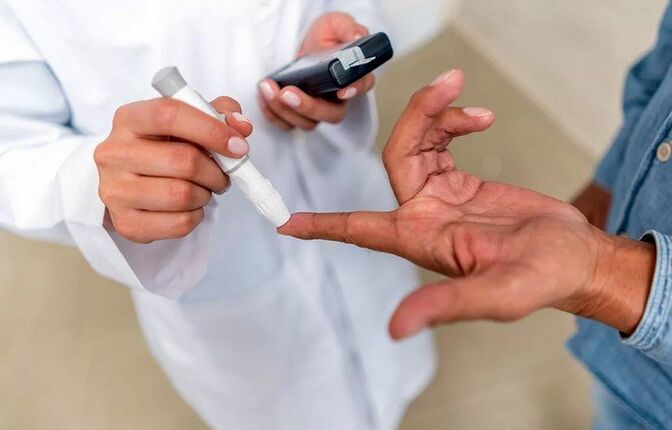
Before finding out how to treat diabetes, a blood sugar test is performed, which is the main way to calculate current and daily glucose levels.
Additional diagnostic measures include polyuria, polygraphy, excess weight or significant weight loss.The following also applies:
- Ultrasound;
- determination of pathological insulin;
- electrocardiography – study of the electrical fields of the heart;
- Rehberg test - assessment of the condition of the kidneys;
- biochemical blood test;
- fundus study.
Based on the information received, a clinical picture emerges, after which a therapeutic technique is proposed.
Type 1 drugs

The main remedy is insulin, but in addition, the doctor prescribes tablets that help to cope with disorders of glucose metabolism, which are associated with obesity, which aggravates the situation.
We are talking about drugs from the biguanide group, which reduce the acute need for insulin and also alleviate the patient's condition.
Insulin lispro
An analogue of insulin produced by the human body acts quickly – 15 minutes after injection.Glucose metabolism is controlled and anticatabolic and anabolic effects on tissues appear.
The drug turned out to be the best in the list of similar drugs;per day, the sugar concentration decreases by 22% and blood sugar data improves.
Insulin glulisine
A substitute for human insulin, which has a faster effect, but the result does not last long.
Used on an empty stomach or after a meal, the substance enters the body by injection.The duration of treatment and dose are set taking into account the individual characteristics of the patient.
Insulin aspart
A latest generation hypoglycemic agent, whose action aims to correct blood sugar levels.There are slight differences from the human hormone, which allows results to appear more quickly.After use you are allowed to start eatinge, since there is no need to pause.
At night, hypoglycemia occurs much more easily and blood sugar levels return to normal.Due to the powerful effect, increasing the dose can be avoided.
Medicines for the second type
The species is not as rare as the first type, therefore many other drugs have been developed to eliminate the problem.
Biguanide
It has a hypoglycemic effect, reduces the concentration of glucose in the blood and does not cause insulin production.
Weight loss, cholesterol, lipoprotein and triglyceride levels decrease.In the initial stages of treatment, 2-3 tablets are prescribed per day, intended for 2-3 doses, otherwise indigestion will occur.
The maximum quantity is 6 tablets to be taken in three doses.The dose is increased gradually if there are no complications.Children over 10 years old and adolescents will need 1 tablet per day, after two weeks the dosage changes.It is not allowed to exceed the course, which involves the daily use of 4 tablets, distributed three times.
Exenatide-based GLP-1 receptor agonist
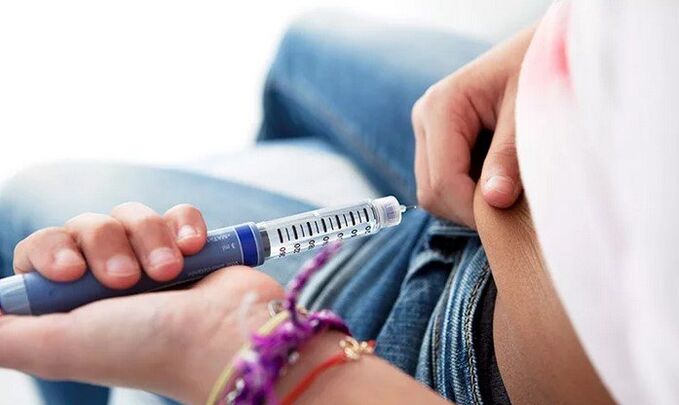
It is administered using a syringe designed to perform at-home procedures.
There is a hormone similar to that produced in the digestive tract, which releases a substance when food enters it.
Insulin begins to be actively produced, as it has a beneficial effect on the pancreas, which is responsible for creating this substance.
Liraglutide-based GLP-1 receptor agonist
A formula was invented to prolong the effect.
Course – 1 time a day 1 hour before a meal.
It is necessary to carry out the procedure at the same time, this will ensure the activity of the pancreas and the gastrointestinal tract.
DPP-4 inhibitor based on sitagliptin
The tablets can be used before or after meals, you just need to respect a certain time limit.
You will need 100 mg for 1 daily dose.
It is possible to use both a separate drug and in combination with other drugs.
Saxagliptin-based DPP-4 inhibitor
Included in the category of DPP-4 inhibitors, suitable for combination therapy and monotherapy.
Type 1 diabetes becomes a complication that requires the administration of insulin after meals.
Vildagliptin-based DPP-4 inhibitor
It is needed once a day, the required dose is 50 mg, meal time does not matter.
The result persists throughout the day, while the negative impact of the drug decreases.
How to monitor your blood sugar
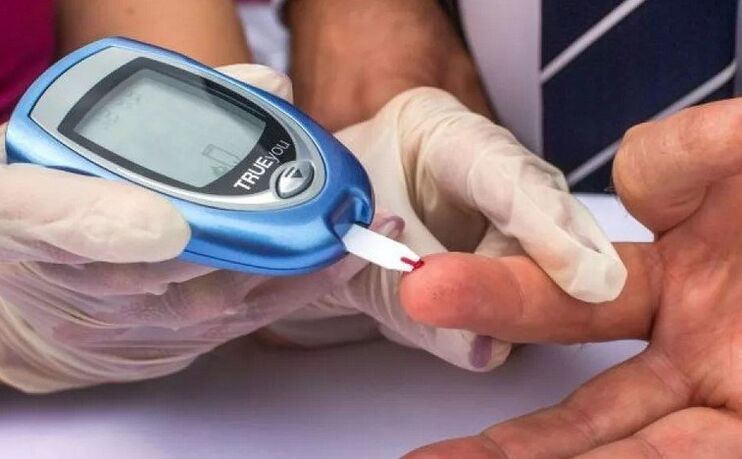
The patient must independently monitor the sugar concentration.For these purposes, it is advisable to keep a diary in which you should make important notes.You will need to check your glucose level regularly using a glucometer;you should not eat before observations;you should measure it in the morning before and after meals.Based on the data obtained, diet and lifestyle are adjusted to return the indicators to normal.However, you will still need to take tests at an outpatient clinic, where more reliable information is provided.
Documents for medication prescription

A system has been developed that allows those who need it to receive free insulin.The doctor writes a prescription to the patient, before receiving it, the following list of documents must be presented:
- Identity card;
- medical insurance;
- individual insurance policy;
- document attesting to a disability;
- a document attesting that the patient does not refuse the social package.
Diet for Diabetes
An approximate diet for a week has been developed, which will ease the patient's condition.
Diabetes mellitus type 2, what you can eat is displayed in the table where the diet for the week is presented.
| Breakfast | Second breakfast | Lunch | Afternoon snack | Dinner | |
|---|---|---|---|---|---|
| 1 day | Buckwheat, cottage cheese, milk 1% fat | Glass of milk | Cabbage soup, boiled meat, fruit jelly | Two apples | Cabbage cutlet, boiled fish, tea |
| Day 2 | Barley porridge, soft-boiled egg, coleslaw | Glass of milk | Mashed potatoes, pickle, boiled beef liver, dried fruit compote | Fruit jelly | A piece of boiled chicken, stewed cabbage, tea.Kefir before bed |
| Day 3 | Cottage cheese with milk, oatmeal, coffee | Kissel | Borscht without meat, boiled chicken, buckwheat porridge | Two pears | Vinaigrette, egg, tea.Yogurt before bed |
| 4 days | Buckwheat, cottage cheese, coffee | Kefir | Cabbage soup, lean boiled beef, compote | 1-2 pears | Schnitzel, boiled fish, tea |
| 5 days | Dressing without potatoes with 1 tbsp.vegetable oil, egg, coffee, slice of rye bread with butter | Two apples | Sauerkraut with simmered meat, pea soup | Fresh fruit | Boiled chicken, vegetable pudding, tea.Yogurt before bed |
| Day 6 | Stewed meat, millet porridge, coffee | Wheat bran decoction | Boiled meat, fish soup, lean mashed potatoes | Kefir | Oatmeal, cottage cheese, milk, apple |
| Day 7 | Buckwheat, hard-boiled egg | Two apples | Beef escalope, pearl barley, vegetable soup | Milk | Boiled fish, steamed potatoes, vegetable salad, tea.Kefir before bed. |
Natural medicine
Treatment with folk remedies for diabetes is considered a way to eliminate the disease, therefore some of the most effective recipes are considered.
Namely:
- Fill the container with 1 liter of boiled water, add 100 g of cinnamon powder, stir, add 200 g of honey.Leave to infuse for 3 hours in a cool place.Classes – 3 times a day;
- lime blossom 1 tbsp.L.pour 1 glass of boiling water, the decoction can replace black tea;
- put 300 g of peeled garlic and the same amount of parsley roots, 100 g of lemon zest in a meat grinder.Place the ground ingredients in a jar, cover with a lid and set aside in a dark, dry place for 2 weeks.Drink 1 tsp.2 times a day;
- grind dried walnut leaves, select 1 tbsp.l., pour ½ l of filtered water.Cook for 15 minutes, then remove from the heat and set aside in a dry place for 1 hour.Filter, take ½ cup 3 times a day.
Before use, you should consult a doctor to avoid complications.
Sports and physical education
A large part of glucose is burned through physical activity, metabolism and the functioning of the cardiovascular system are also stabilized, so it is important to perform at least simple exercises daily.
Power surges should not be allowed, as they would have negative consequences.The increased appetite forces you to consume large quantities of food, making the efforts previously made lose their meaning.
When fatigue appears, stress appears, adrenal hormones are released, after which glucose levels increase.
The best options for achieving excellent results are morning exercises, exercises with dumbbells, walking, jogging, cycling, swimming.
Prognosis of type 1 and 2 diabetes
If you allow the disease to enter the decompensation phase, it will not be possible to eliminate the problem, since the body's resources are significantly reduced.
At the initial stage, it is always easier to fight the disease than in advanced cases.By choosing the most effective therapy, the patient's condition is alleviated, thereby prolonging life.It is possible to improve the situation through a healthy lifestyle and physical activity.